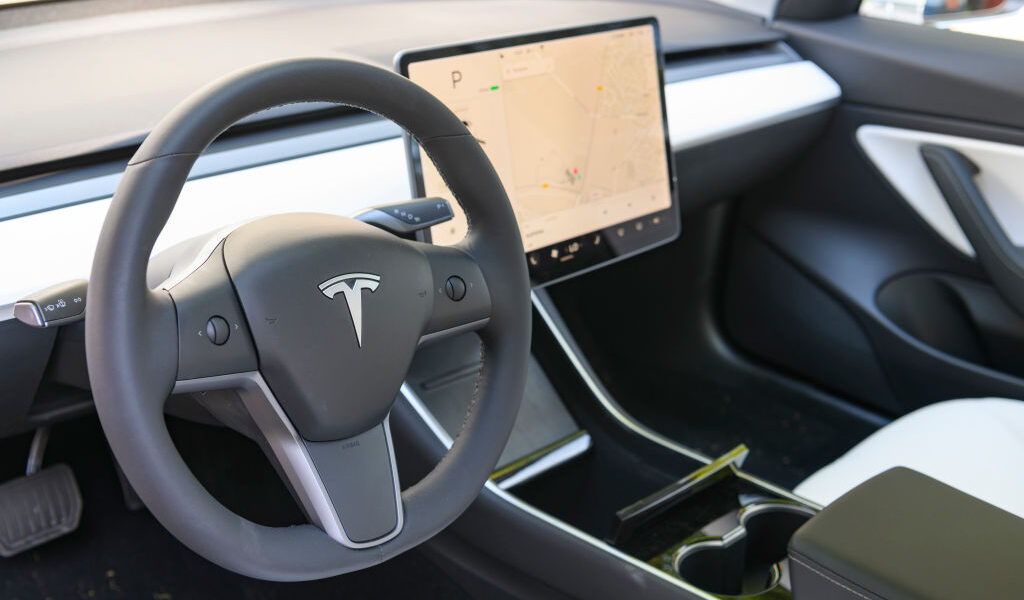
Exciting news from Tesla! CEO Elon Musk recently announced that the company will be discontinuing the option to pay a one-time fee for its Full Self-Driving (FSD) software. Starting February 14, the only way to access this cutting-edge driver assistance technology will be through a monthly subscription.
This move marks a significant shift in Tesla’s sales strategy for its advanced driver assistance suite, and it may have far-reaching effects on the company’s financial health and legal standing. As other automakers ramp up their own driver assistance systems, Tesla is forced to adapt to maintain its competitive edge.
For years, Tesla has offered its FSD software at various price points, peaking at $15,000 in 2022 and more recently selling for $8,000. In 2021, the company introduced a $199-per-month subscription option, which has since dropped to just $99 per month in 2024. Musk previously urged customers to consider the upfront payment, citing anticipated future increases in FSD costs as Tesla enhances its capabilities.
However, Musk’s latest announcement confirms that the one-time purchase option will be eliminated entirely. While he hasn’t disclosed any changes to the subscription pricing, this strategy could be a game-changer for Tesla, particularly in light of the lower-than-expected adoption rates for FSD. As of October 2025, only 12% of Tesla owners had opted for FSD, prompting the company to make this move to boost subscriber numbers.
This subscription model also aligns with Musk’s ambitious goals to secure his massive $1 trillion pay package, which is contingent on achieving 10 million active FSD subscriptions by late 2035. By offering a more accessible subscription option, Tesla could potentially accelerate its subscriber growth.
Additionally, this shift may serve as a legal safeguard. For years, Musk and Tesla marketed the idea that customers were buying vehicles equipped with all necessary hardware for full autonomy, a claim that has faced scrutiny. Many existing owners may require hardware upgrades to achieve the promised capabilities, which has led to ongoing legal challenges regarding unmet expectations.
In December, a judge ruled that Tesla’s marketing practices around FSD were misleading, raising concerns about the company’s legal strategy. By moving to a subscription-only model, Tesla may be mitigating potential liabilities associated with these ongoing lawsuits.
Despite the legal hurdles, Tesla’s FSD remains one of the most advanced driver-assistance systems available in the U.S. However, competition is heating up, with companies like Rivian and others developing their own systems, and some automakers in China even offering similar features as standard.
For busy professionals, these developments are crucial. Whether you’re considering a Tesla for your daily commute or simply interested in the future of autonomous driving, staying informed about these changes can empower your decision-making and keep you at the forefront of automotive innovation.